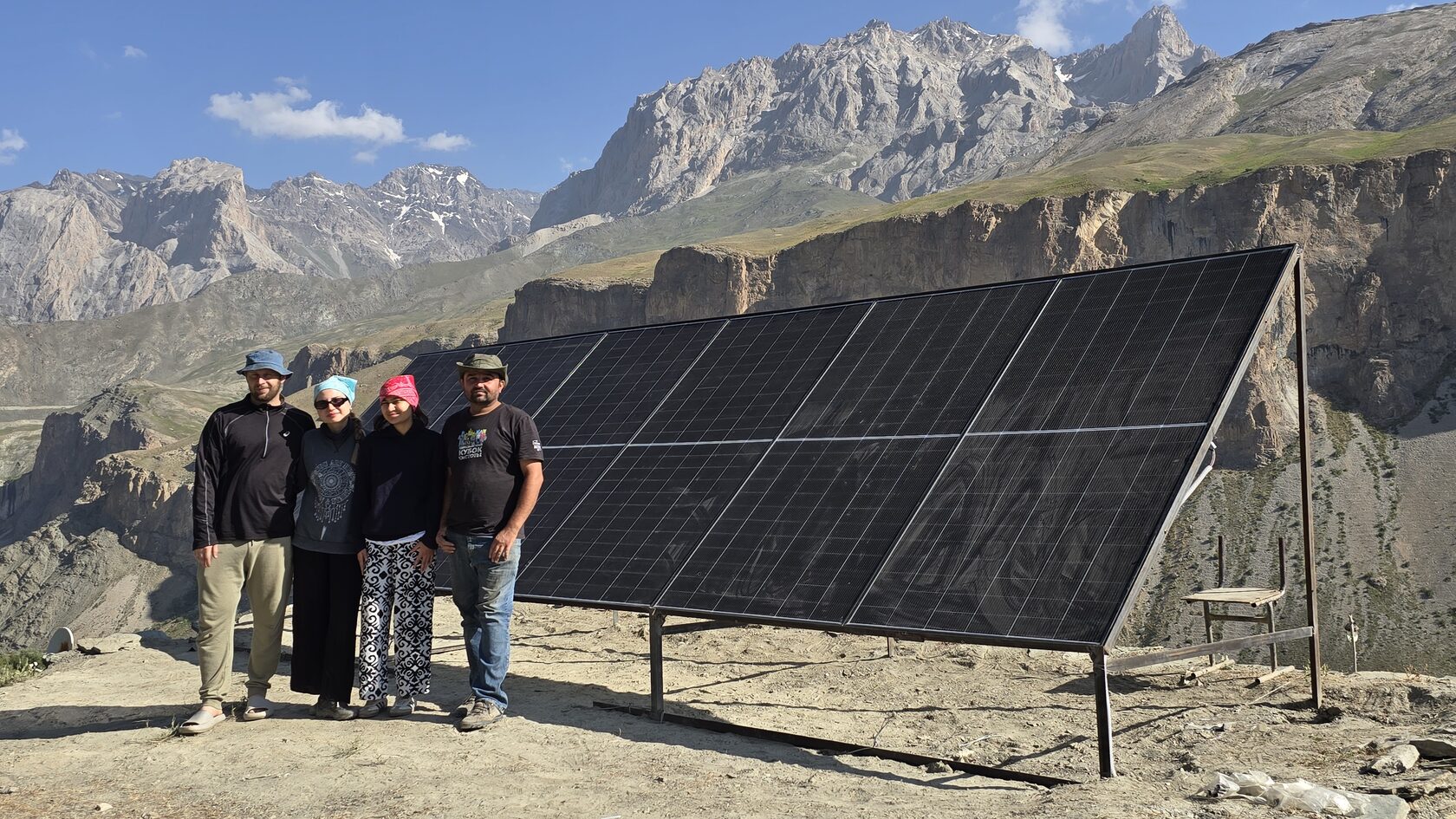
Little Earth’s team acted as leading experts in the establishment of a solar-powered sewing center in Piskon village, Yaghnob Valley, contributing its experience in sustainable energy solutions and community-based initiatives.
The first solar-powered sewing center in Yaghnob was established in 2025 in Makktimayn village. Building on this experience, Little Earth supported the public organisation Gender Equality for Inclusive Development (GEID) in adapting and applying the same approach in Piskon, combining renewable energy, community development and the preservation of Yaghnobi traditions.
“Little Earth has been pioneering solar-powered sewing in Tajikistan since 2019, starting in the Bartang Valley, GBAO and now expanding this experience to Yaghnob, continuing our support to indigenous and remote communities. We continue to follow and apply new technologies. Each sewing center established by Little Earth or with the support of our experts builds on previous experience and incorporates improved solutions to make solar-powered sewing more efficient. We are open to sharing our experience, knowledge and practical approaches with other organisations so that successful solutions can be replicated in other communities," says Executive Director, Anton Timoshenko.
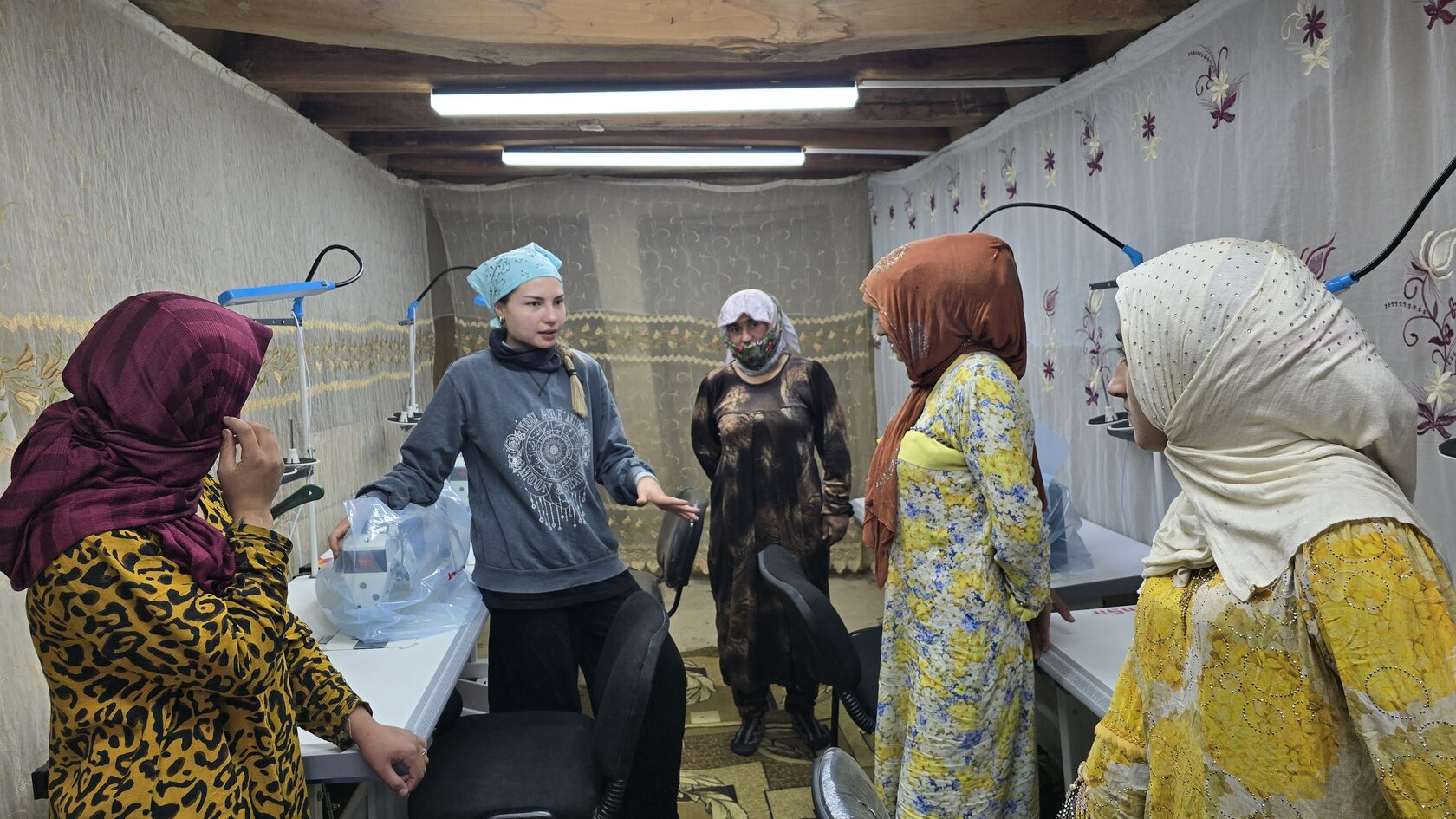
As part of the initiative, a dedicated community space in Piskon was renovated to house the sewing center. A solar power station was installed, including full electrical wiring and integration with the center. The space was equipped with three solar-powered sewing machines, one overlock machine and a solar-powered lighting system. The sewing ceter operates on a fully off-grid solar system, consisting of six solar panels (3540 W total), an advanced wall-mounted lithium battery (5 kWh), and a 6.2 kW hybrid inverter.
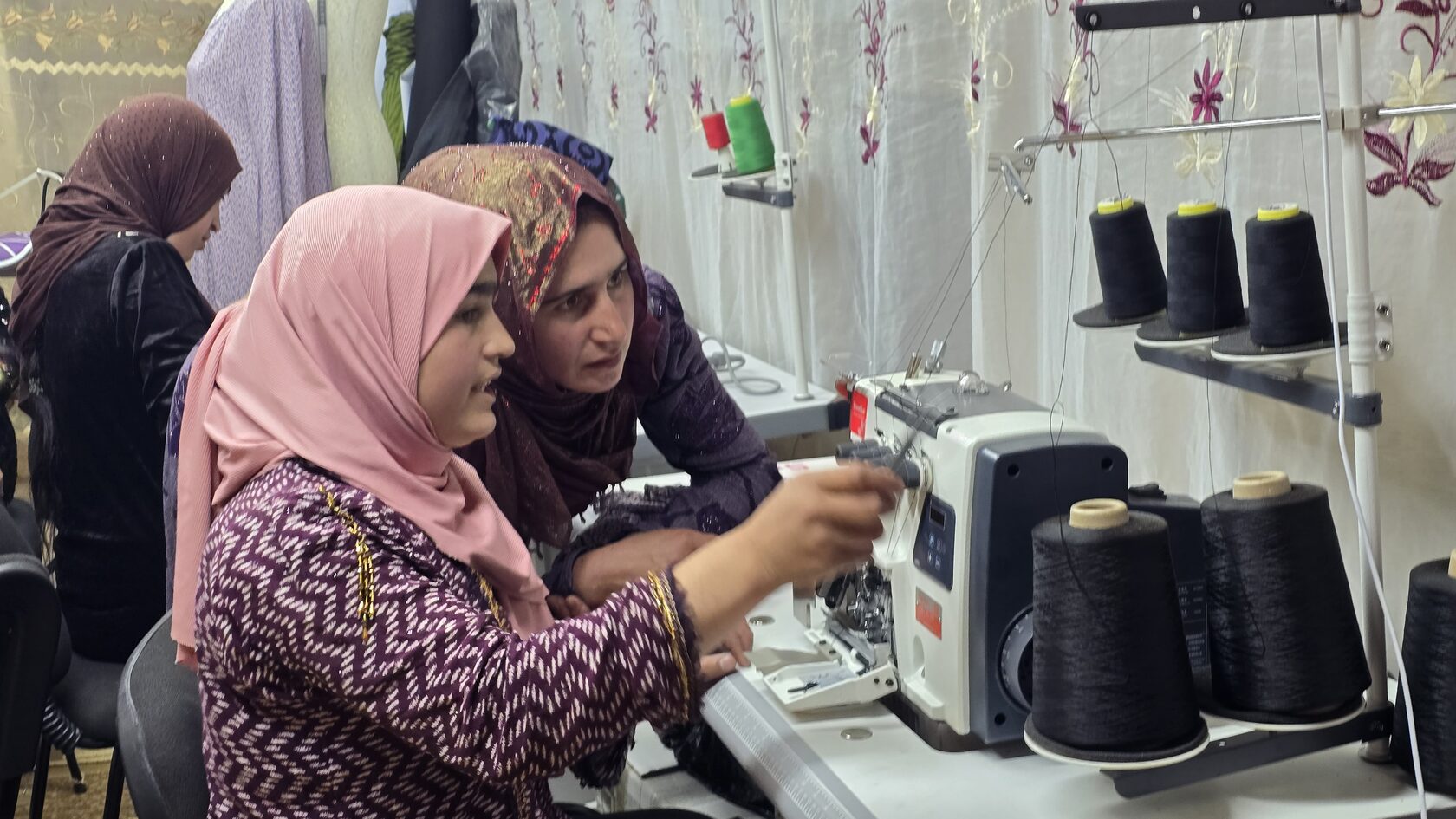
10 local women now participate in a 24-day hands-on workshop on traditional sewing techniques, symbolic Yaghnobi patterns and sustainable craft production. In addition, the project also included activities focused on preserving and transferring local cultural knowledge. Little Earth supported community mobilisation for a two-day cultural heritage workshop was delivered for 20 community members, 10 women and 10 men, focusing on oral history, seasonal rhythms and traditional knowledge.
The given activities were carried out in the framework of the “Digitization of Cultural Heritage and Yaghnobi Traditions” project, implemented by the Public Organization “Gender Equality for Inclusive Development.” The project is implemented with the support of ALIPH Foundation and co-funded by the European Union.
The establishment of the center in Piskon demonstrates how Little Earth’s experience with solar-powered community solutions can be replicated by other local organizations and adapted to the needs of different communities in the Yaghnob Valley.