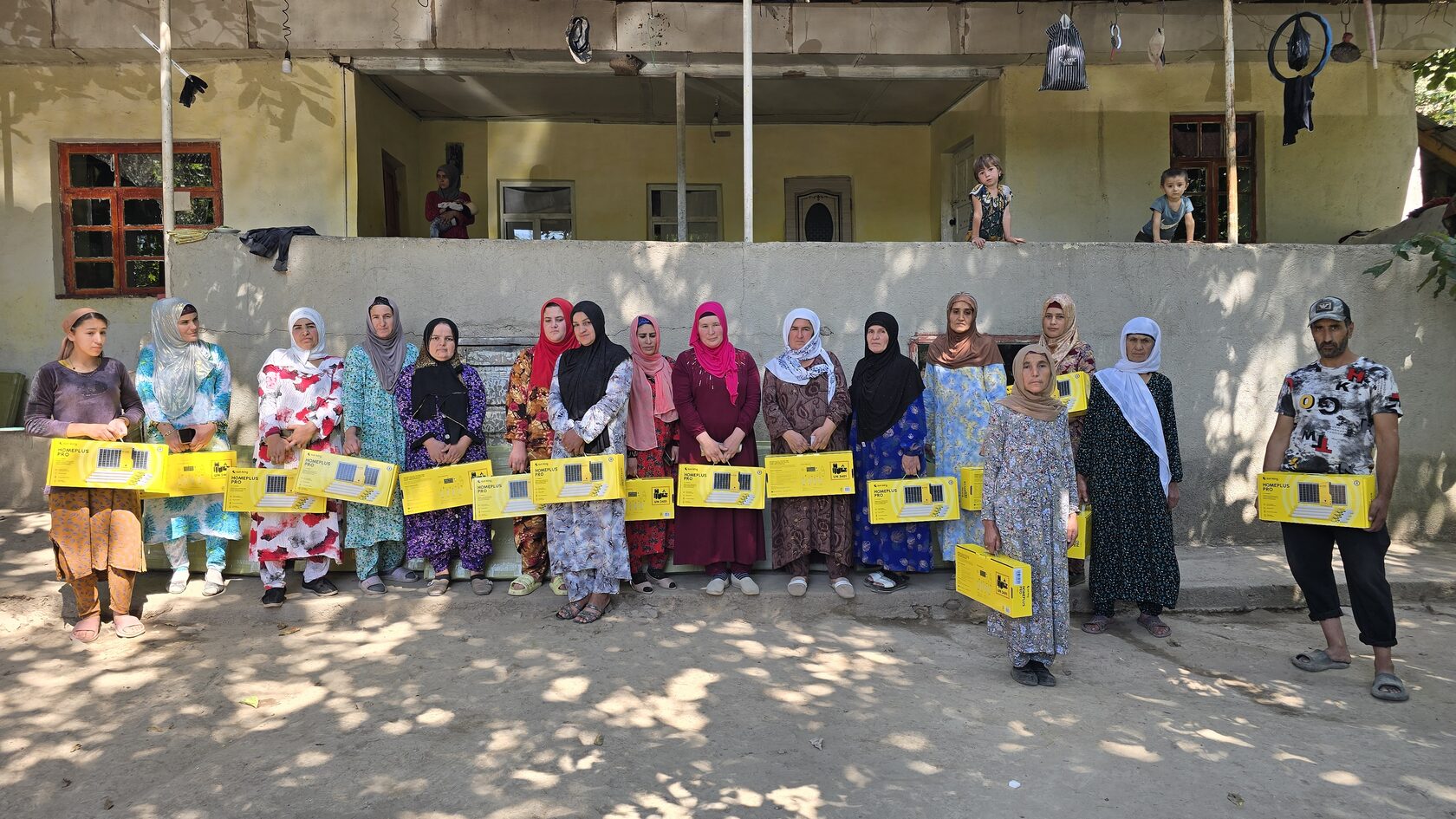
The environmental organization "Little Earth" continues to expand access to resource-saving technologies for residents of remote mountainous regions of Tajikistan. On September 13, 2026, as part of an initiative supported by the German organization SunHelp, 17 of the most vulnerable families from the target villages of Sayod and Hilmagz received modern renewable energy kits.
The new equipment will improve living conditions for about 80 people. Each of the 17 families received an energy set consisting of:
The new equipment will improve living conditions for about 80 people. Each of the 17 families received an energy set consisting of:
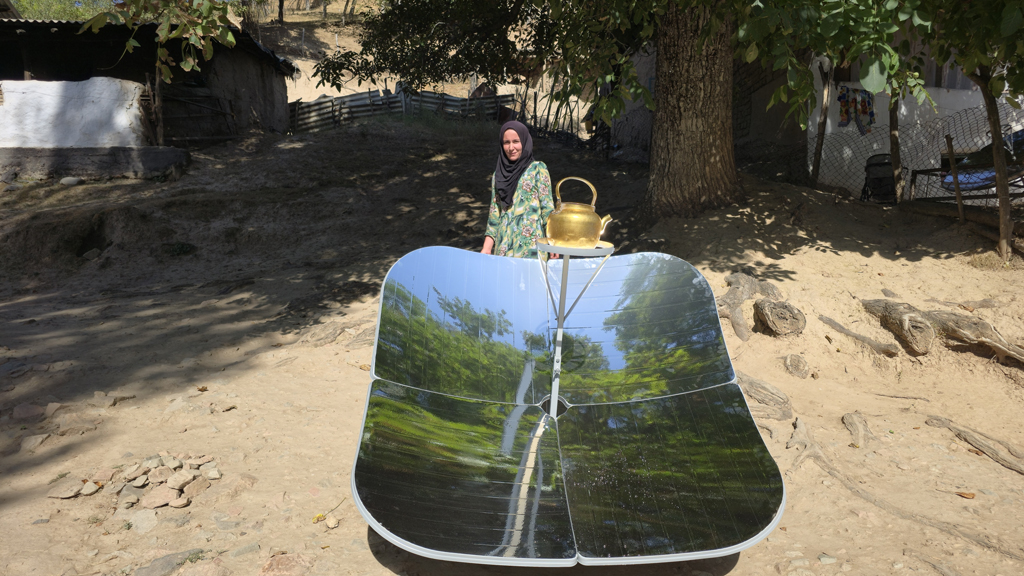
- A parabolic solar cooker for cooking and boiling water on sunny days.
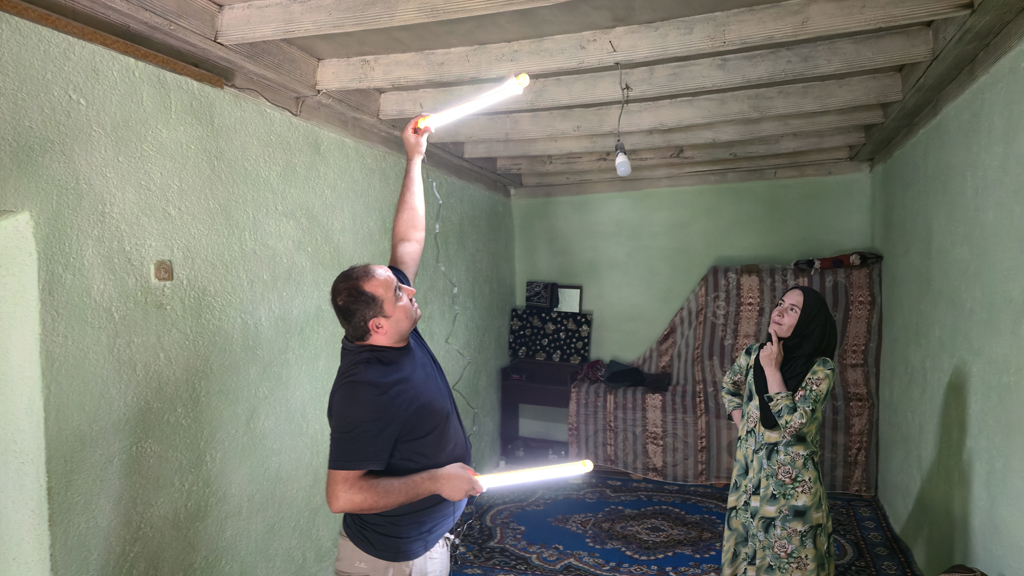
- A portable home solar lighting system with an autonomous solar panel.
The assembly and distribution of the equipment served as a continuation of the successful work started in 2025 with the support of the Youth4Climate initiative, when similar sets were received by the first 20 families in the same villages.
Life in Isolation and Environmental Risks
The villages of Sayod and Hilmagz are located in the Romit Gorge at an altitude of about 1,700 meters above sea level. About 650 people live there (70 households). Both settlements are completely disconnected from the centralized power grid, and in winter, the unpaved road to the villages is often blocked due to severe weather conditions. Two artisanal micro-hydroelectric power stations operate in Sayod, but their capacity is only sufficient to partially illuminate homes.
Firewood and dry shrubs remain the main sources of heat and cooking fuel for the local population. Excessive cutting of wild trees and shrubs leads to soil erosion, and the unique ecosystem of the gorge is destroyed. All of this is happening in close proximity—less than 10 km away—from the Romit State Nature Reserve, created back in 1959 to protect rare species of animals and birds.
Practical Benefits and Nature Protection
The introduction of clean energy equipment addresses several pressing socio-environmental challenges at once:
The adoption of accessible green energy not only transforms the daily lives of mountain communities but also helps safeguard the country's unique natural heritage for future generations.
Life in Isolation and Environmental Risks
The villages of Sayod and Hilmagz are located in the Romit Gorge at an altitude of about 1,700 meters above sea level. About 650 people live there (70 households). Both settlements are completely disconnected from the centralized power grid, and in winter, the unpaved road to the villages is often blocked due to severe weather conditions. Two artisanal micro-hydroelectric power stations operate in Sayod, but their capacity is only sufficient to partially illuminate homes.
Firewood and dry shrubs remain the main sources of heat and cooking fuel for the local population. Excessive cutting of wild trees and shrubs leads to soil erosion, and the unique ecosystem of the gorge is destroyed. All of this is happening in close proximity—less than 10 km away—from the Romit State Nature Reserve, created back in 1959 to protect rare species of animals and birds.
Practical Benefits and Nature Protection
The introduction of clean energy equipment addresses several pressing socio-environmental challenges at once:
- Health and Comfort: Solar cookers operate completely smoke-free. This will reduce indoor air pollution, relieve residents of the risk of respiratory diseases, and ease the heavy daily labor of collecting biomass.
- Safe Lighting: Solar systems will provide clean light, reduce the risk of eye damage, and allow households to phase out dangerous kerosene lamps and candles.
- Savings and Ecosystem Protection: Reducing the use of coal and firewood will decrease CO2 emissions and contribute to the preservation of the Romit Gorge ecosystems. In addition, families will save money previously spent on purchasing fuel.
The adoption of accessible green energy not only transforms the daily lives of mountain communities but also helps safeguard the country's unique natural heritage for future generations.